.jpg)
Join our monthly newsletter where you will find interview advice, Prospect HQ updates, and more!
Share



The Complete Guide to Hiring College Athletes
Employers post roles on job boards, scan applications by keyword, and then wonder why 46% of new hires turn over within 18 months. The problem is not a shortage of talent because we know there’s a ton of talent out there. It really comes down to how that talent gets found and filtered. College athletes spend years building discipline, coachability, and team-first habits under real pressure, and most student-athlete job platforms reduce all of that to a single line on a document. Prospect HQ takes a different approach, matching current and former student-athletes with employers through the lens of unique skills and attributes, as well as cultural fit.
This guide breaks down where employers can actually source college athlete talent, what to look for beyond credentials, and how to evaluate culture fit before anyone walks through the door on their first day.
Key Takeaways: The Complete Guide to Hiring College Athletes
- College athletes arrive with teamwork, coachability, and resilience already built through years of structured competition and coaching.
- Traditional job boards filter by keywords, which buries the behavioral attributes that predict long-term employee success.
- Culture fit is the single biggest factor in whether a new hire stays, performs, or washes out early.
- Prospect HQ connects employers with current and former student-athletes through video-first screening, cultural profiling, and AI-driven data analysis.
- Employers who source athlete talent through fit-based platforms shorten their time-to-hire and improve long-term retention.
Why Should Employers Hire College Athletes?
A college athlete's daily routine is a compressed version of what most companies spend months training for. Morning lifts, film review, public coaching corrections, and performing in front of crowds build a skill stack that directly maps to workplace demands. The NCAA GOALS study (2026) surveyed more than 20,000 student-athletes and found that over 90% said college athletics had a positive impact on their work ethic, responsibility, and teamwork.
That data lines up with what hiring managers at firms like Goldman Sachs report. A 2025 Business Insider feature highlighted how the bank actively recruits athletes because they bring grit, coachability, and the ability to perform under time pressure. These are not soft skills. They are the traits that separate hires who stick from hires who wash out.
For employers focused on retention and performance, athletes represent a talent pool where those traits are already tested.
What Makes Hiring College Athletes Different from General Recruiting?

General recruiting usually starts with a job description, a stack of applications, and a keyword filter. That process works when technical qualifications are the primary screen. It breaks down when the role requires adaptability, coachability, and the ability to operate under pressure, because none of those show up in a keyword scan. It’s an unspoken rule or implied in the job description.
College athletes carry years of coached performance, public accountability, and team-first decision-making. A standard application does not surface any of that. When you run athlete candidates through the same filters as everyone else, you lose the information that actually predicts whether a hire will thrive on your skills-based hiring criteria.
Hiring from this talent pool means changing how you evaluate. Instead of scanning for credentials, you look at how candidates respond to feedback, how they communicate under pressure, and whether their values align with your team's working style.
Where Can Employers Source College Athlete Talent?
University Career Services and Athletic Departments

Many schools, including programs at University of Richmond, Notre Dame, Colorado State, Michigan State, and Penn, run dedicated career services for student-athletes. These offices connect employers with athletes through on-campus events, job boards, and referral networks. The upside is direct access to active candidates. The downside is that each school operates independently, which means employers need to build relationships one campus at a time.
Athlete-Focused Hiring Platforms
Dedicated platforms exist specifically to connect employers with athlete talent. Some focus on career readiness training. Others focus on job placement. A few do both. The critical difference between platforms is whether they match on credentials alone or whether they factor in cultural alignment, communication style, and values.
Prospect HQ's hiring platform is built around that distinction. Employers define their team's culture and sub-culture during onboarding, and the platform's Purposeful Intelligence™ matching surfaces candidates who align with those specific dynamics. Candidates send video introductions that let hiring managers assess communication, energy, and personality before the first interview.
Alumni Networks and Mentorship Communities
Former athletes who have already made the transition from sports to careers are often the strongest bridge to current talent. Alumni networks, mentorship programs, and athlete communities create referral loops that general job boards cannot replicate. Prospect HQ's community features support these connections by keeping athletes, mentors, and employers linked in a shared feed where relationships develop naturally over time. Our partnership with LaunchBreak deepens that reach for women athletes, connecting players across college, national, pro, and Olympic and Paralympic levels into a trusted professional network built on shared experience.
How Does Culture Fit Change the Hiring Equation for Athletes?
The Leadership IQ study of 5,247 hiring managers found that 46% of new hires wash out inside 18 months, and only 11 percent of those failures came down to technical skill gaps. The rest of their new hires turned over because of coachability, temperament, motivation, and emotional intelligence. Those are culture-fit failures.
For college athletes, this is critical. An athlete who thrived in a high-tempo, direct-feedback environment will not perform the same way in a low-accountability culture. Fit works in both directions. The right match produces a hire who stays, grows, and raises the bar for the team around them.
Prospect HQ addresses this by asking employers to define their culture at the team and sub-team level, including leadership style, communication norms, and performance expectations. That information drives the matching algorithm, so the candidates employers see are already aligned on the factors that predict retention.
What Should Employers Evaluate Beyond the Standard Application?
Coachability and Response to Feedback
This is the trait that makes the other traits possible. Ask candidates to describe a time a coach corrected them publicly and what they did with that feedback. The answer reveals whether they internalize correction and improve, or whether they deflect and stall.
Communication Under Pressure
Athletes communicate in real time during competition. Ask how they called plays, rallied teammates after a loss, or handled a disagreement with a coach. You are looking for candidates who can stay clear and direct when the stakes go up.
Video Introductions

A short video introduction shows communication skills, energy, and personality in a way no document can. Prospect HQ lets candidates send quick video intros directly to hiring managers, giving employers a multi-dimensional view of each candidate before a formal interview. We work with employers on customizing prompts, pulling from screening questions, or recommending an elevator pitch topic.
Values Alignment
Ask candidates what kind of environment brings out their peak performance. Compare their answer to the way your team actually operates. Misalignment here is the most common predictor of early turnover, and it is almost impossible to assess from credentials alone.
How to Build a Culture-Fit Hiring Process for Athlete Talent
Sourcing athlete candidates is step one. Evaluating them for fit is where the real work happens.
First, define your team's culture at the sub-team level. Marketing operates differently than engineering. Sales runs at a different pace than operations. Get specific about leadership style, feedback norms, and performance expectations for the team the hire will join.
Second, write job descriptions that go beyond tasks and qualifications. Include what success looks like in the first year, how feedback is delivered, and what the team values. This attracts candidates who self-select for fit before they ever apply.
Third, use video-first screening to assess communication, presence, and enthusiasm early. Prospect HQ's platform is designed for this exact step, letting candidates show who they are and letting employers evaluate alignment before scheduling interviews.
Fourth, structure interviews around behavioral questions tied to your culture criteria. Ask for specific examples of coaching feedback, team conflict, and pressure-driven performance. Score responses against the culture profile you defined in step one.
Fifth, track post-hire outcomes and refine. Measure retention at 90 days, six months, and one year. If hires from a particular source or screening method retain at higher rates, double down.
What Mistakes Should Employers Avoid When Hiring College Athletes?
The biggest mistake is assuming that "athlete" equals "culture fit" without doing the actual evaluation. Being a former point guard does not guarantee someone will thrive on a slow-paced, autonomous team, and being a distance runner does not mean someone will mesh with a high-volume sales floor.
A second mistake is running athlete candidates through the same keyword filters used for general applicants. Those filters are designed to catch technical credentials, not the behavioral and cultural signals that predict whether an athlete-hire will stay and perform.
A third mistake is skipping the culture definition step entirely. If you do not know what your team's working style, communication norms, and performance expectations look like, you cannot evaluate any candidate for fit, athlete or otherwise.
How to Hire College Athletes Who Actually Fit Your Team
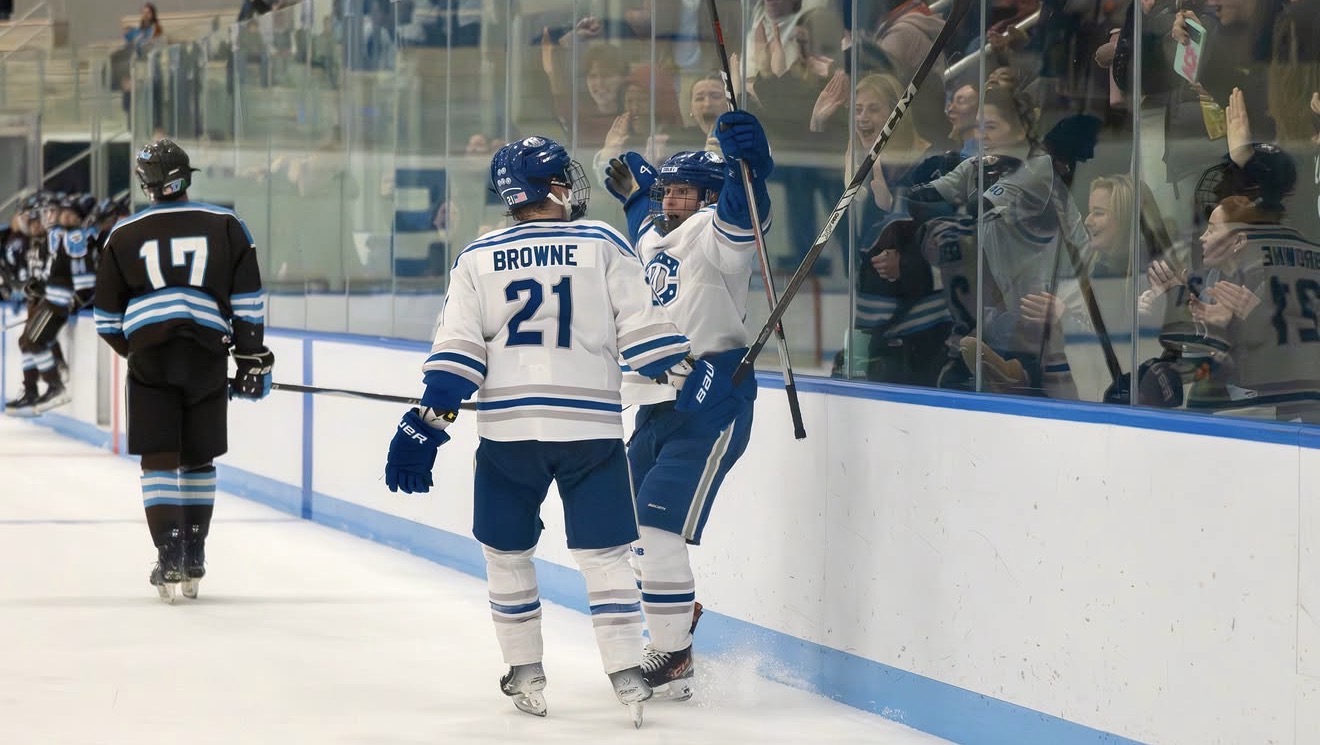
College athletes bring tested discipline, coachability, teamwork, learning from failures, and resilience. Those traits are exactly what employers say they want most. And currently, the gap is in how employers find, evaluate, and match that talent to the right teams.
Close that gap by sourcing from athlete-specific channels, defining your culture at the team level, and evaluating candidates through video and behavioral screening rather than keyword filters. Prospect HQ gives you the tools to do all three, from culture profiling to AI-driven analysis to video introductions that show you who a candidate actually is.
The athletes are ready. The question is whether your hiring process is built to find the ones who fit.
FAQs About Hiring College Athletes
What traits do college athletes bring to the workplace?
College athletes develop teamwork, discipline, coachability, resilience, and the ability to perform under pressure. The career readiness skills built through years of competition map directly to the NACE competencies employers value most.
How does cultural fit reduce turnover for athlete hires?
When an athlete's values and working style align with a team's culture, they integrate faster and stay longer. Prospect HQ's matching algorithm surfaces candidates based on cultural alignment, which is why culture-driven hires outperform keyword-matched hires on retention.
Where is the top place to find college athlete candidates?
The top sources are university career services, alumni networks, and athlete-focused hiring platforms. Prospect HQ combines all three by connecting employers with current and former student-athletes through culture-fit matching and a community feed.
What is video-first screening and why does it matter?
Video-first screening lets candidates send short video introductions to hiring managers. Prospect HQ uses this approach so employers can assess communication skills, enthusiasm, and personality before scheduling a formal interview, which saves time and surfaces fit signals early.
How can small and mid-sized companies compete for college athlete talent?
You compete on culture, not brand recognition. Define what makes your team's environment specific, lead with those details in job postings, and use a platform like Prospect HQ that matches candidates to your culture profile rather than filtering by employer size or name.
.jpg)