.jpg)
Join our monthly newsletter where you will find interview advice, Prospect HQ updates, and more!
Share



Why Coachability on a Resume Is the Most Underrated Skill Recruiters Look For
Most people load a resume with the loud words. Leader. Driven. Results-oriented. Then they leave off the one trait a recruiter is actually reading for, because it never felt impressive enough to write down. Coachability on a resume looks quiet next to a captaincy or a GPA, so it gets cut. That is the mistake.
Coachability is the ability to take feedback, use it fast, and get better without making it a whole thing. On a resume it is the signal that you will show up on day one ready to learn the job instead of defending the version of it you imagined. Recruiters know how much a bad hire costs, so they hunt for the person who can be taught. Plenty of the team at Prospect HQ played college sports, which means we spent years being coached hard in public, and we have watched athletes undersell that exact skill on paper again and again.
What follows is what coachability really means to an employer, why the data says it matters more than most technical skills, why athletes already own it, and how to put it on a resume without it sounding like filler.
What does coachability on a resume actually mean?

It means you can accept direction and change your behavior because of it. Indeed defines a coachable person as someone who is open to feedback and willing to act on it to improve their performance, and lists traits like humility, self-awareness, and a genuine want to grow. On a resume, coachability rarely shows up as the word itself. It shows up in the evidence: a role you earned by fixing what a coach flagged, a promotion that followed a rough start, a skill you were bad at and then were not.
That distinction matters because recruiters have read the buzzword a thousand times. The word alone is worth nothing. The proof behind it is worth a lot. We will get to how to write that proof, but first it helps to see why hiring teams care this much in the first place.
Why do recruiters care so much about coachability?
Because the people who cannot take feedback are the ones who wash out, and it happens far more often than most candidates think. Leadership IQ studied 5,247 hiring managers who collectively hired more than 20,000 employees, and found that 46% of new hires fail within 18 months. Only 11% of those failures came down to a lack of technical skill. The other 89% were about attitude, and the single most common reason, at 26%, was coachability, defined as the ability to accept and implement feedback from bosses, colleagues, and customers.
Sit with the size of that. The number one reason new hires fail is not that they cannot do the work. It is that they cannot be corrected. A recruiter who has lived through even one hire like that will screen for the opposite for the rest of their career.
The skills employers rank highest back this up. In the National Association of Colleges and Employers' Job Outlook, nearly 90% of employers said they look for problem-solving on a resume, almost 80% want teamwork, and at least 70% want communication and a strong work ethic. Every one of those depends on coachability underneath it. You cannot solve problems you refuse to hear about, and you cannot work on a team while treating feedback as an attack. It is the trait that makes the other traits possible, which is exactly why it belongs on the page and why so many candidates leave it off. Our breakdown of what employers really mean by soft skills goes deeper on how these traits get read.
Why are student-athletes already fluent in coachability?
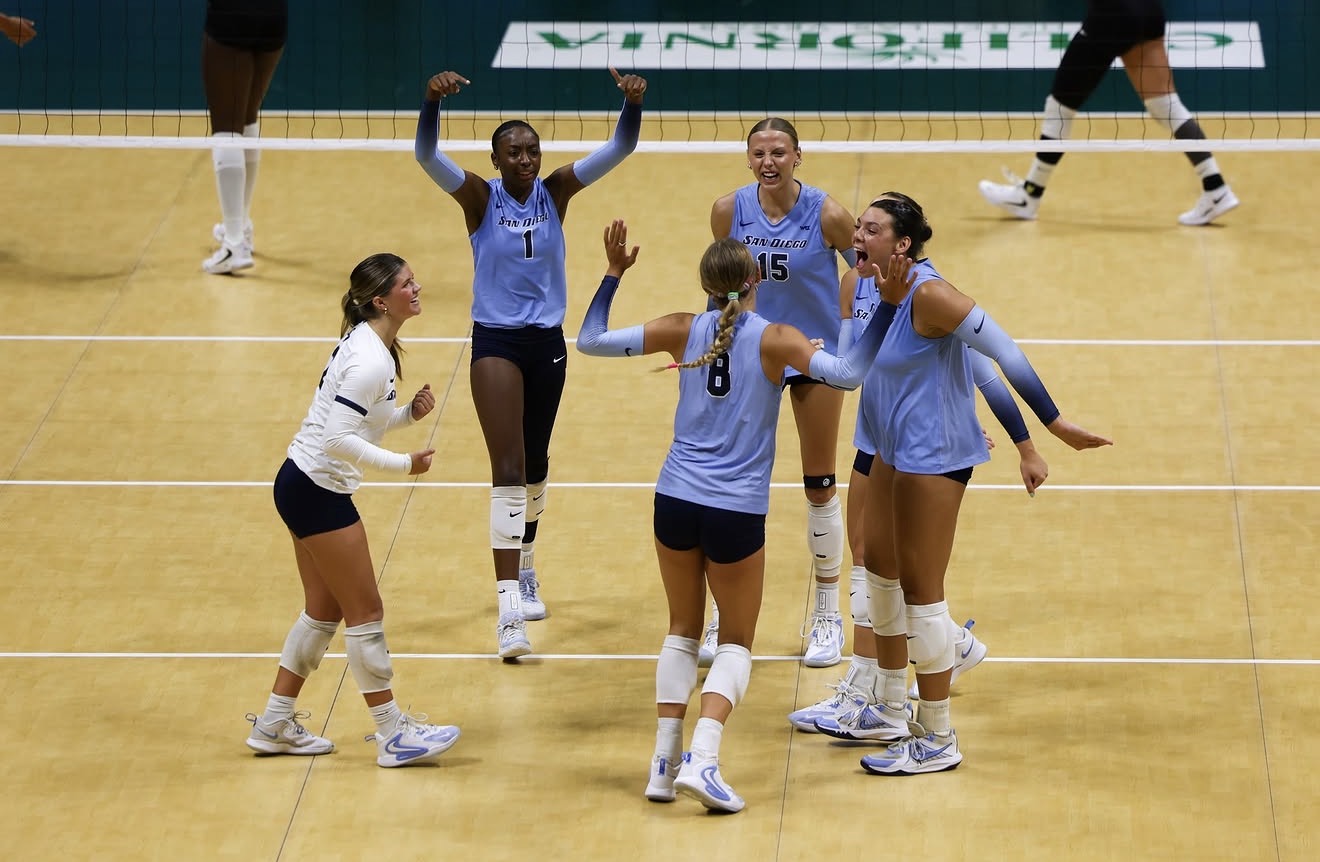
Because you have been doing it, out loud and under pressure, for years. Coachability is one of the five core attributes we point to whenever the question of why student-athletes make strong hires comes up, right alongside resilience, accountability, teamwork, and leading under pressure. For most people, learning to take hard feedback is a skill they pick up sometime in their late twenties. For an athlete, it started at fourteen.
Think about what a normal week actually asked of you. A coach stops practice to correct your footwork in front of forty people. You watch film of your worst mistakes on a Monday and are expected to fix them by Saturday. You lose a starting spot, get told exactly why, and have to earn it back. None of that works if you take feedback personally. The athletes who make it are the ones who learned to separate the correction from their ego, apply it fast, and move on. That is coachability at a level most job candidates never have to reach.
The research on athlete traits keeps landing here. In the NCAA's GOALS study, most student-athletes credited their sport with building adaptability, attention to detail, and performing under pressure, all of which sit right next to the ability to be coached. The habit is already yours. The only real work is naming it in a way a hiring manager reads in a second. Our guide to the career readiness skills student-athletes already have walks through the full set.
How do you show coachability on a resume without sounding generic?
Name the result. A recruiter gives your resume about six seconds on the first pass, and the word "coachable" sitting in a skills list spends that time without buying you anything. What works is a line that shows feedback going in and improvement coming out.
Compare the two versions. One tells, and the other proves. "Coachable team player" tells. "Applied direct coaching feedback week over week to move from bench to starter in one season" proves. Same trait, but the second one shows the feedback going in and the result coming out.
The same swap works down the line. Instead of "quick learner," write "rebuilt shooting form on a coach's correction and raised free-throw percentage from 62% to 81%." Instead of "open to feedback," write "took a midseason position change without missing a start, learning a new role in under three weeks." Instead of "hard worker," write "turned a demotion into a starting spot by fixing the two things a coach flagged in film review." The vague version could describe anyone. The specific version could only describe you, and it proves the trait instead of claiming it.
The pattern is always the same: what the feedback was, what you did with it, and the outcome that followed. That structure works whether the feedback came from a coach, a boss at a summer job, or a professor. If you are translating athletic experience into resume language for the first time, our full guide to putting athletic experience on a resume covers the exact wording that gets past applicant tracking software.
A few quick rules keep these lines honest:
- Lead with a verb that shows change. Adjusted, rebuilt, relearned, corrected, adapted. These verbs assume feedback happened.
- Quantify the after. A number tells the recruiter the correction actually stuck.
- Skip the adjective. Do not write "coachable." Let the line prove it so the reader concludes it themselves.
- Keep one line per example. Coachability is a supporting trait, not the whole resume. Two or three strong proof points is plenty.
How do you prove coachability in an interview?
Run it through STAR: Situation, Task, Action, Result. Pick a real moment when feedback stung, and walk through what you did next. The best coachability stories are not the ones where you were praised. They are the ones where you were corrected and got better.
A strong answer sounds like this: your coach told you midseason that your defense was costing the team, you spent three weeks on extra film and footwork, and you closed the year leading the unit in stops. Situation, correction, action, result. Notice that admitting the weakness is what makes it land. A candidate who can say "here is something I was bad at, and here is how I fixed it" is showing the exact trait the interviewer is trying to confirm. For the wider prep, our notes on which careers reward former athletes fastest show where this kind of story carries the most weight.
What makes coachability read as a cliché instead of a strength?
Claiming it instead of showing it. The moment a resume says "highly coachable and eager to learn" with nothing behind it, a recruiter files it next to every other line that could have been written by anyone. Coachability is uniquely easy to fake on paper and uniquely hard to fake in a specific story, which is why the story is the whole game.
The other trap is treating coachability as smallness. It is not about being agreeable or doing whatever you are told. Coachability sits right next to confidence, because it takes a secure person to hear a hard correction, agree with the part that is true, and act on it without falling apart. Recruiters can tell the difference between someone who is easy to push around and someone who is genuinely open to getting better. Only one of those is worth hiring.
Put your most underrated skill where a recruiter can see it

Coachability rarely makes anyone's highlight reel, and that is exactly why it is worth writing down. It is the trait hiring teams rank as the number one predictor of who survives the first eighteen months, the one athletes have spent years building in public, and the one most candidates leave sitting on the field. The work is not developing it. You already have it. The work is naming it in a way a recruiter reads in a second and believes.
That translation is the whole reason Prospect HQ exists. We match student-athletes with employers on skills, attributes, and culture together, so the traits that never survive a keyword filter, coachability included, actually reach the companies looking for them. Fill out your profile and personal insights on Prospect HQ and you become visible to employers who already know what a coached athlete is worth. Create your free profile by downloading our iOS app, and put it in front of them.
Frequently asked questions
Is "coachable" a good word to put on a resume?
On its own, no. The word "coachable" in a skills list reads as filler because anyone can type it. What works is proving it with a specific line that shows feedback going in and a better result coming out, like earning a starting role after fixing what a coach flagged. Show the trait through evidence and let the recruiter reach the word themselves.
What does coachability mean to an employer?
It means you can take direction and actually change your behavior because of it, not just nod and continue as before. Leadership IQ found coachability, defined as the ability to accept and implement feedback, is the single most common reason new hires fail. Employers screen hard for the opposite, so a candidate who can prove it stands out fast.
How do you demonstrate coachability on a resume?
Use the pattern of feedback, action, and result. Name what you were told to fix, what you did about it, and the outcome that followed, ideally with a number attached. "Rebuilt shooting form on a coach's correction and raised free-throw percentage from 62% to 81%" proves coachability without ever using the word.
Why do recruiters value coachability in student-athletes?
Because athletes have been taking hard, public feedback under pressure for years, which is exactly the behavior that predicts a successful hire. Coachability is one of the five core attributes, alongside resilience, accountability, teamwork, and leading under pressure, that make athletes strong candidates. A varsity background signals it before you say a word.
.jpg)