

.jpg)
Join our monthly newsletter where you will find interview advice, Prospect HQ updates, and more!
Share



What Employers Really Mean by “Soft Skills”

The term "soft skills" gets thrown around a lot professionally. You may have heard "your soft skills are just as important as your hard skills." But if you don't know the difference between soft and hard skills, how to hone your soft skills, and how to present them during an interview, it doesn't really matter whether or not you know what a soft skill is.
Here's the problem: soft skills sound vague and intangible. When a recruiter says "we're looking for someone with strong soft skills," what does that actually mean? Are they talking about being friendly? Organized? A team player? All of the above?
The confusion is real, and it puts you at a disadvantage. While other candidates are confidently discussing their "interpersonal communication abilities" and "collaborative problem-solving approach," you might be wondering if you even have what they're looking for. You might be underselling yourself simply because you don't recognize the skills you already possess.
Here's the truth that should change your entire job search perspective: if you're a student-athlete, you've been developing elite-level soft skills for years. Every practice, every game, every season has been training you for the workplace in ways that traditional students simply don't experience.
While your classmates were joining clubs that met once a week, you were:
- Managing 20+ hours of weekly commitments while maintaining academic standards
- Receiving direct feedback from coaches and immediately implementing changes
- Performing under pressure with hundreds or thousands of people watching
- Navigating team dynamics with diverse personalities and competing egos
- Sacrificing personal time for collective goals
- Pushing through physical and mental barriers most people never face
That's not just character building—that's professional skills development. The challenge isn't that you lack soft skills. The challenge is that you haven't learned to recognize them, articulate them, or market them to employers who desperately want what you have to offer.
Luckily for you, you already have a lot of soft skills in your system as an athlete. Now it's time to learn how to leverage them.
What are Soft Skills?
Soft skills are the people-focused abilities that help you work effectively with others and navigate professional environments. Unlike hard skills—which are technical, job-specific abilities like coding, accounting, or graphic design—soft skills are transferable across any role or industry.
Think of it this way: hard skills get you the interview, but soft skills get you the job and help you keep it.
Soft Skills for Jobs: Prospect HQ’s List of the Most Important Soft Skills in 2026
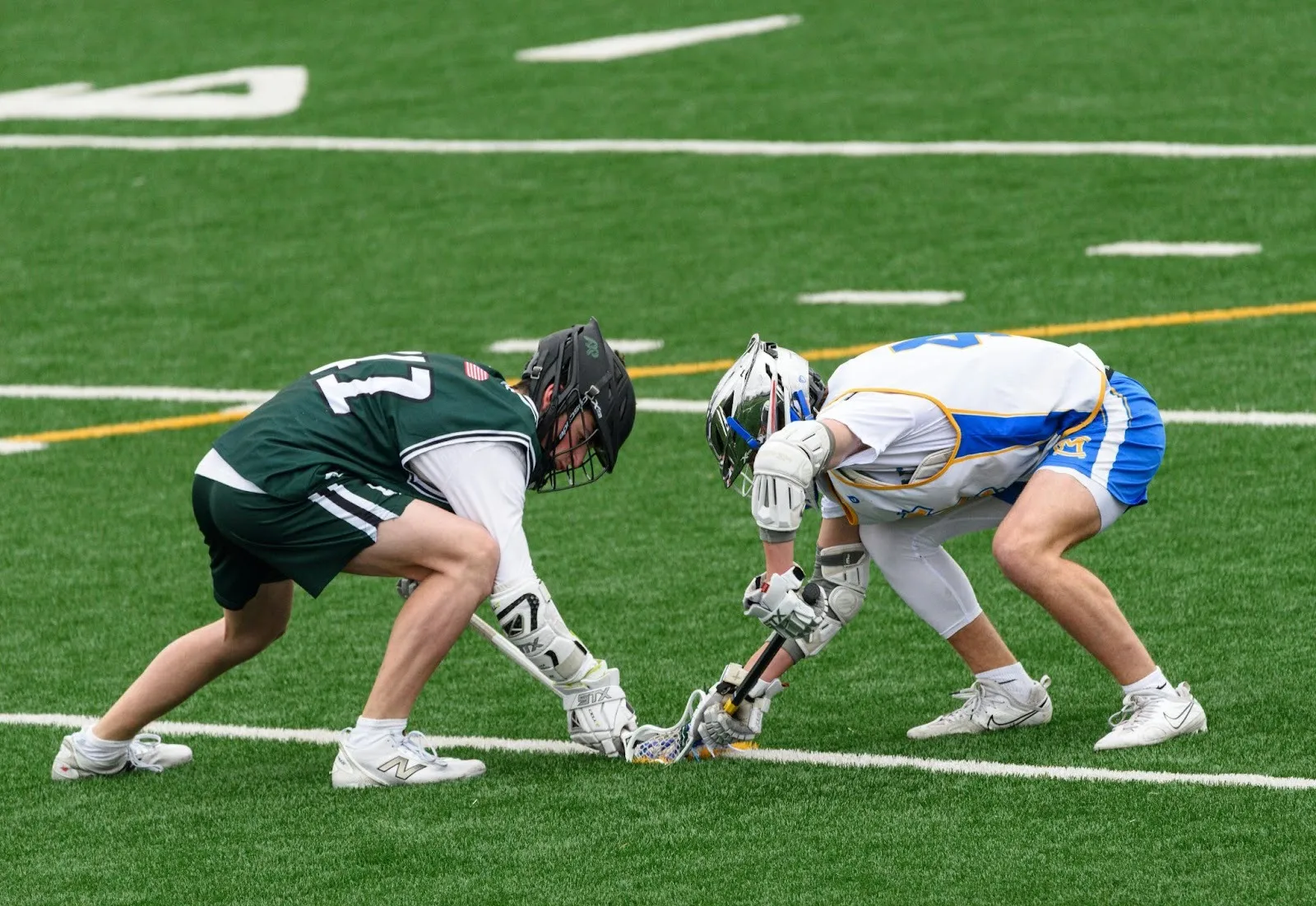
Based on current hiring trends and employer feedback, here are the soft skills that matter most:
1. Interpersonal Communication This isn't just about speaking clearly—it's about active listening, reading the room, and adjusting your message based on your audience. As an athlete, you've been doing this every time you communicated with coaches, called out plays on the field, or gave feedback to teammates.
In the workplace: You'll need to present ideas to executives who want the big picture in 30 seconds, explain technical details to colleagues who need step-by-step clarity, and discuss setbacks with clients who need reassurance and solutions. Just like you adjusted your communication style between talking to coaches versus teammates versus opponents, you'll navigate conversations with managers, cross-functional teams, and external stakeholders. Strong interpersonal communication means fewer misunderstandings, faster project completion, and the ability to influence decisions without formal authority. It's the difference between sending an email that gets ignored and one that prompts immediate action.
2. Time Management Balancing academics, training, competitions, and social life? You've already mastered time management. Employers need people who can juggle multiple priorities, meet deadlines, and stay organized without constant supervision.
In the workplace: You'll often be managing 5-7 projects simultaneously, each with different stakeholders, deadlines, and priority levels. Your ability to time-block your day becomes critical. Companies value employees who can estimate how long tasks actually take, build in buffer time for unexpected issues, and communicate proactively when deadlines are at risk. Time management also means knowing when to say no to additional commitments and when to delegate. The employee who can deliver consistent results on time without burning out or needing constant deadline extensions becomes indispensable. You've already proven you can do this while managing physical exhaustion and academic pressure—the corporate world will feel manageable by comparison.
3. Problem Solving Every game presents unexpected challenges: injuries, weather conditions, opponents who change their strategy. Your ability to think on your feet and find solutions in high-pressure situations is incredibly valuable in the workplace.
In the workplace: Problems rarely come with instruction manuals. A client changes requirements mid-project. A key team member quits right before a launch. Budget gets cut by 30% but expectations stay the same. Your ability to assess situations quickly, identify the core issue versus symptoms, and generate solutions under pressure is exactly what separates high performers from average employees. The best problem solvers also know when to escalate versus when to handle issues independently.
4. Creativity Creativity isn't just for artists. It's about approaching problems from new angles and finding innovative solutions. Remember when you adjusted your defensive strategy mid-game or found a new training method to overcome a plateau? That's creativity.
In the workplace: Companies are constantly looking for efficiency gains, new revenue streams, and competitive advantages. Your creative thinking might manifest as streamlining a process that saves 10 hours per week, proposing a new customer acquisition channel, or finding a way to repurpose existing resources instead of requesting additional budget. In meetings, you'll be the person who asks "what if we tried..." when everyone else is stuck. Creativity also means challenging assumptions. Employers especially value creative problem-solving that works within constraints. Anyone can solve problems with unlimited budget and time; you've learned to innovate with limited resources, strict schedules, and high stakes. That's the creativity that drives business results.
5. Integrity Playing by the rules, being accountable for mistakes, and doing the right thing even when no one's watching—these qualities build trust. Employers want people they can rely on to represent their organization with integrity.
In the workplace: Integrity determines whether you get promoted, given autonomy, and trusted with high-stakes responsibilities. It shows up in small moments: admitting you missed a deadline instead of making excuses, flagging a mistake that could have gone unnoticed, or pushing back on a questionable business practice even when it's uncomfortable. Companies lose millions annually to employees who cut corners, hide problems until they explode, or prioritize personal gain over team success. When you demonstrate integrity consistently, you become the person managers assign to sensitive projects, the colleague others confide in, and the employee clients specifically request. Your reputation for doing the right thing becomes your most valuable professional asset. In an era where one ethical lapse can go viral and destroy a company's brand, employers increasingly screen for integrity as carefully as they screen for technical skills.
6. Work Ethic If you've ever dragged yourself to 6 AM practice, pushed through the fourth quarter while exhausted, or stayed late to work on fundamentals, you understand work ethic. This is your biggest differentiator as an athlete entering the workforce.
In the workplace: Work ethic isn't about working the longest hours—it's about consistent, focused effort and a commitment to excellence. Employers notice who stays until the project is done right, not just done. Who takes initiative to learn new skills without being asked. Who maintains quality standards even on tedious tasks. Your experience grinding through conditioning drills and film sessions translates directly to pushing through spreadsheet analysis, client research, and revision cycles that others find too monotonous. The corporate world is full of people who do the minimum to avoid getting fired; employers desperately need people who take ownership and pride in their work. Your work ethic also signals coachability—you've proven you'll accept feedback, put in the reps to improve, and maintain effort even when progress feels slow. This makes you someone worth investing in through training and development, which accelerates your career trajectory significantly.
7. Adaptability The game plan never survives first contact. Whether it's adjusting to a new coach's system, recovering from an injury, or switching positions to help the team, you've proven you can pivot when circumstances change. In today's fast-paced work environment, employers need people who can handle change without losing momentum.
In the workplace: Industries are being disrupted constantly. Companies reorganize, pivot strategies, adopt new technologies, and eliminate entire departments. Your ability to adapt means you won't panic when your role changes or your company shifts direction. Adaptability shows up daily: a meeting gets canceled so you reprioritize your afternoon, new software gets implemented so you learn it quickly, your manager leaves so you adjust to new leadership. Employees who resist change become liabilities; those who adapt become leaders during transitions. Your experience learning new plays, adjusting to different teammates' styles, and performing under varying conditions has made you someone who sees change as a challenge to overcome rather than a threat to fear. Companies specifically seek this quality because it reduces the cost and disruption of organizational change.
8. Leadership Leadership isn't just about being team captain—it's about stepping up when your team needs you, holding yourself and others accountable, and leading by example. Whether you were formally named a leader or informally became one through your actions, you've demonstrated the ability to influence and motivate others toward a common goal.
In the workplace: Leadership opportunities emerge long before you have the title. You'll lead project teams, mentor new hires, represent your department in meetings, and influence decisions through expertise rather than authority. Your experience leading by example—showing up early, maintaining standards, staying positive during losing streaks—translates directly to workplace leadership. Companies promote people who can elevate those around them, not just perform individually. Your ability to give constructive feedback to peers, motivate teammates during difficult stretches, and make decisions that prioritize team success over personal stats shows you understand what true leadership requires. You've also learned to follow effectively, which makes you a better leader. The best managers are often former athletes because they understand how to balance accountability with empathy, push for results while maintaining morale, and build cultures where people want to give their best effort.
9. Resilience You've lost games, faced injuries, dealt with being benched, and pushed through seasons that didn't go as planned. But you showed up to the next practice anyway. Resilience—the ability to bounce back from setbacks and maintain performance under adversity—is one of the most underrated soft skills in the workplace. Employers want people who don't crumble when projects fail or when they receive critical feedback.
In the workplace: Professional life is filled with rejection and failure. You'll lose sales opportunities, have proposals rejected, receive critical performance reviews, miss promotions, and work on projects that get canceled. Resilience determines whether these setbacks derail you or become learning experiences. Your experience processing a devastating loss, making adjustments, and competing effectively the next week shows you can compartmentalize disappointment and maintain performance. Employers particularly value resilience during market downturns, organizational restructuring, or when launching new initiatives that face initial resistance. You've developed the mental fortitude to receive harsh coaching feedback without becoming defensive, to bounce back from public mistakes, and to maintain effort when outcomes feel uncertain. This psychological toughness—knowing you can handle failure without it defining you—gives you confidence to take calculated risks, volunteer for challenging assignments, and persist through obstacles that cause others to quit.
10. Emotional Intelligence Reading your teammates' body language during a tough game or managing your own frustration after a mistake are examples of emotional intelligence. It's the ability to recognize, understand, and manage emotions in yourself and others. In professional settings, this translates to conflict resolution, client management, and building strong working relationships.
In the workplace: Technical skills might get you hired, but emotional intelligence determines how far you advance. You'll need to navigate tense client meetings, mediate conflicts between colleagues, deliver difficult feedback, and maintain composure when facing criticism. Your ability to read a room—sensing when to push an idea versus when to hold back, recognizing when someone needs support versus space—makes you more effective in every interaction. Emotional intelligence also means self-awareness: recognizing when your own stress is affecting your communication, when you need to step away to regain perspective, and when your emotions might be clouding your judgment. The employees who rise to leadership positions aren't necessarily the smartest or most skilled—they're often the ones who build the strongest relationships and create environments where others thrive. Your experience managing the emotional rollercoaster of athletic competition while maintaining team cohesion has developed this skill far beyond most entry-level candidates. You understand that how you make people feel matters as much as what you accomplish.
Why are Soft Skills Important?
Soft skills enable you to build better relationships with people—and business is ultimately about people. Here's the reality: most jobs can teach you the technical skills you need. What they can't teach as easily is how to collaborate effectively, communicate under pressure, or maintain professionalism when things get tough.
Why Employers Want Teamwork Skills and Other Soft Skills:
- Productivity: Teams with strong communication and collaboration finish projects faster
- Culture fit: Soft skills determine whether you'll thrive in their work environment
- Leadership potential: Future managers need strong interpersonal abilities
- Client relationships: Your ability to build trust and rapport directly impacts business outcomes
- Adaptability: As industries evolve, soft skills help you pivot and learn new hard skills
Companies are also looking for people who can work cross-functionally. You might be hired as a marketing coordinator, but you'll need to collaborate with sales, product, and finance teams. That requires the same teamwork and communication skills you used to win championships.
Turn Your Soft Skills Into Real Opportunity
Here’s the part most candidates miss. Soft skills only matter if employers can see them.
Saying “I’m resilient” on a résumé isn’t powerful. Showing how you bounced back from a season-ending injury and still led your team to playoffs is. Saying “I have leadership skills” isn’t memorable. Sharing how you held teammates accountable during a losing streak is.
The hiring system has traditionally reduced you to bullet points and keywords. But soft skills don’t live in bullet points. They live in stories. They live in how you communicate. They live in how you show up.
That’s exactly why Prospect HQ exists.
We built a community for current and former student-athletes where they connect, create, and get discovered. Instead of hoping a recruiter “guesses” your potential from a résumé, you get to showcase it. Your discipline. Your resilience. Your mindset. Your leadership. Because here’s the truth: employers aren’t just hiring for skills. They’re hiring for culture. For coachability. For people who can adapt, communicate, and elevate a team. And you’ve already proven you can do that.
Now it’s time to show it.
Ready to Put Your Soft Skills to Work?
Create your profile. Share your story. Show off those soft skills. And, we’re always here to help you translate what you’ve built into what comes next.
Join Prospect HQ and start building a career that fits who you are.
.jpg)
.jpg)