Join our monthly newsletter where you will find interview advice, Prospect HQ updates, and more!
Share



How to Get a Sports Internship: 3 Lessons From a Student-Athlete's Summer With the New York Mets
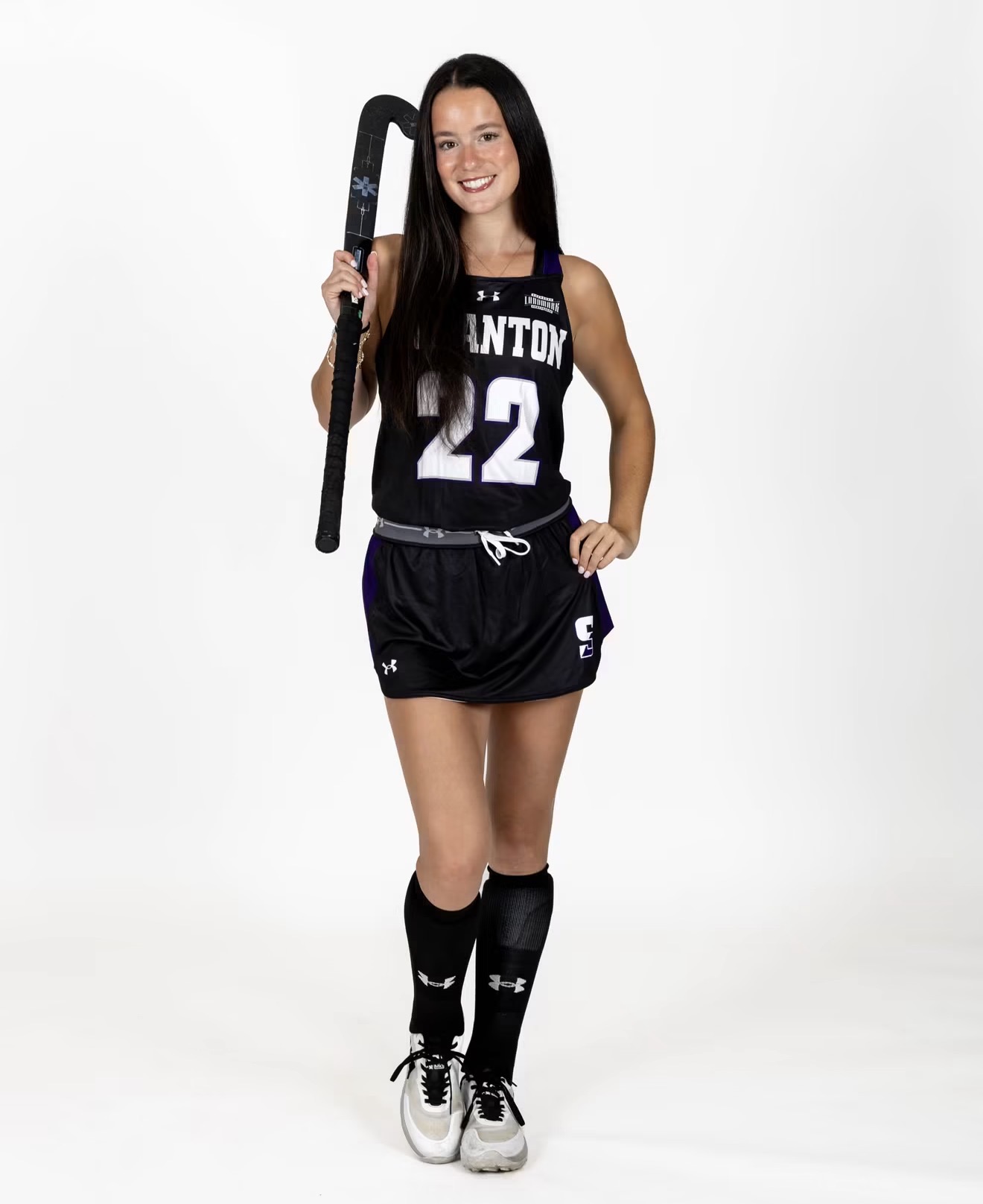
Around this time last year, Kelly Mack was stressed. She plays field hockey at the University of Scranton, and like a lot of student-athletes, she was worried she wouldn't land an internship, let alone a job after graduation. A few months later she was giving tours of Citi Field and calling clients for the New York Mets as an inside sales intern.
Kelly is one of our Prospect HQ Student Ambassadors, and she recorded a short video for us about how she got there. She went on LinkedIn and reached out to as many people in the sports industry as she could.
"You truly never know what opportunities could come from simply just putting yourself out there," she said.
When we talk with student-athletes about internships, the worry Kelly described comes up more than any other. Athletes assume the good roles go to classmates with free summers and family connections. Kelly's summer is a useful counterexample, and the three lessons she brought home from Citi Field apply well beyond baseball.
Who is Kelly Mack?
Kelly Mack is a field hockey player at the University of Scranton, class of 2027. She spent this past summer interning in inside sales with the New York Mets, where her days were split between client calls and leading tours of Citi Field.
She is also one of our Prospect HQ Student Ambassadors, which means she spends part of her time helping other athletes on campus figure out what comes after their sport.
How did a student-athlete land an internship with the New York Mets?
"For me, it really all started with networking connections and going on LinkedIn and reaching out to as many people in the sports industry as I could," she said.
That approach should feel familiar to anyone who went through college recruiting. Very few athletes earn a roster spot by filling out a form and waiting. A coach sees you play, a club coach makes a call, or a former teammate mentions your name. Internships in professional sports work much the same way. Team front offices get far more applicants than they have seats, and a name someone already recognizes gets a closer look. We cover how to build that circle in our guide to building a job network before graduation.
If you want to run Kelly's play, start with people whose jobs you'd actually want. Search both Prospect HQ and LinkedIn for staff at teams, leagues, and venues in your region, then look for anyone who played a college sport or went to your school. Those two overlaps give you an easy, honest opening. A short message works best. Say who you are, what you play, what you admire about their work, and ask one specific question, such as how they got their first role. Skip the request for a job in the first message. Most people are glad to answer a question from a college athlete, and the referral, if it comes, tends to follow the conversation.
Before you send anything, make sure your profile tells your story clearly. Your sport belongs in your experience section with real numbers, the same way it belongs on your résumé. Our guide on putting athletic experience on a résumé walks through the wording.
What does an inside sales internship with a pro team actually involve?
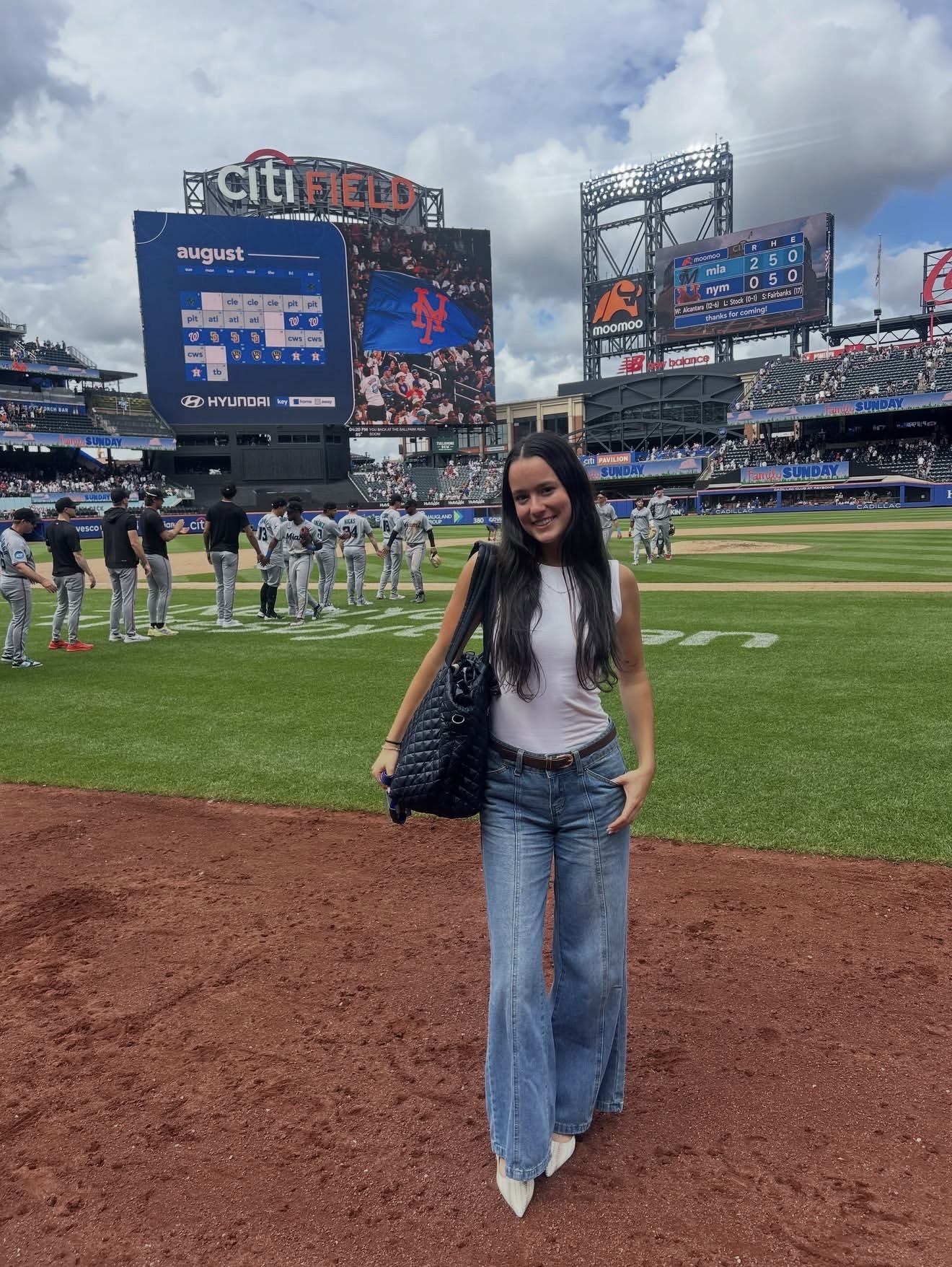
Kelly's summer was hands-on. She spent time on the phone with clients and led tours of Citi Field for people she was meeting for the first time. Inside sales roles in professional sports usually support ticketing and hospitality, which means a lot of calls, a lot of follow-up, and a lot of conversations with fans who care deeply about their team.
And, it is also one of the most common ways into a sports front office. Sales teams hire more entry-level people than most departments, and the work rewards the same habits athletes build over years of practice: showing up prepared, hearing "no" without losing energy, and trying again the next day. We've written about why former athletes do so well in sales if you want the longer version.
Why are relationships everything in a sports sales job?
"Whether I was talking to a client over the phone or bringing people on tours at Citi Field, I really learned that it's not always about the sale, it's really about building connections."
That lesson applies on both ends of her summer. Relationships got her the internship, and relationships were the work once she arrived. A fan who enjoys a tour of the ballpark remembers the person who gave it. A client who trusts you on the phone takes your next call.
For student-athletes, this is familiar ground. You already know how much easier it is to play for a coach who knows you, or next to a teammate you trust. The same goes for clients, managers, and the people you message on LinkedIn. Treat each conversation as the start of a relationship, and keep in touch after the internship ends. A quick note when the team makes a big move, or a congratulations on a promotion, keeps your name familiar for the next opening.
How does getting comfortable with discomfort help you grow?
Kelly's second takeaway was "being comfortable with being uncomfortable." Over the summer she was "on the phone with clients I've never talked to before, bringing people on tours and meeting for the first time." None of that comes naturally to most college students, and she said leaning into it helped her a lot.
Research backs her up. In five experiments with more than 2,100 participants, Kaitlin Woolley of Cornell and Ayelet Fishbach of the University of Chicago found that people who were told to seek out discomfort during a growth activity were more motivated and felt they made more progress than people told to focus on learning, as summarized by Berkeley's Greater Good Science Center. Their conclusion was that people should treat discomfort as a sign of progress instead of something to avoid.
Athletes have a head start here. Preseason conditioning, a new position, a tough opponent: you've spent years doing hard things on purpose because you knew they made you better. A cold call is uncomfortable in a different way, but the response is the same. You get the rep in, you learn from it, and the next one is easier. That resilience is one of the five attributes we see employers value most in student-athletes, alongside coachability, accountability, teamwork, and leading under pressure.
Can you find a new team after college sports?
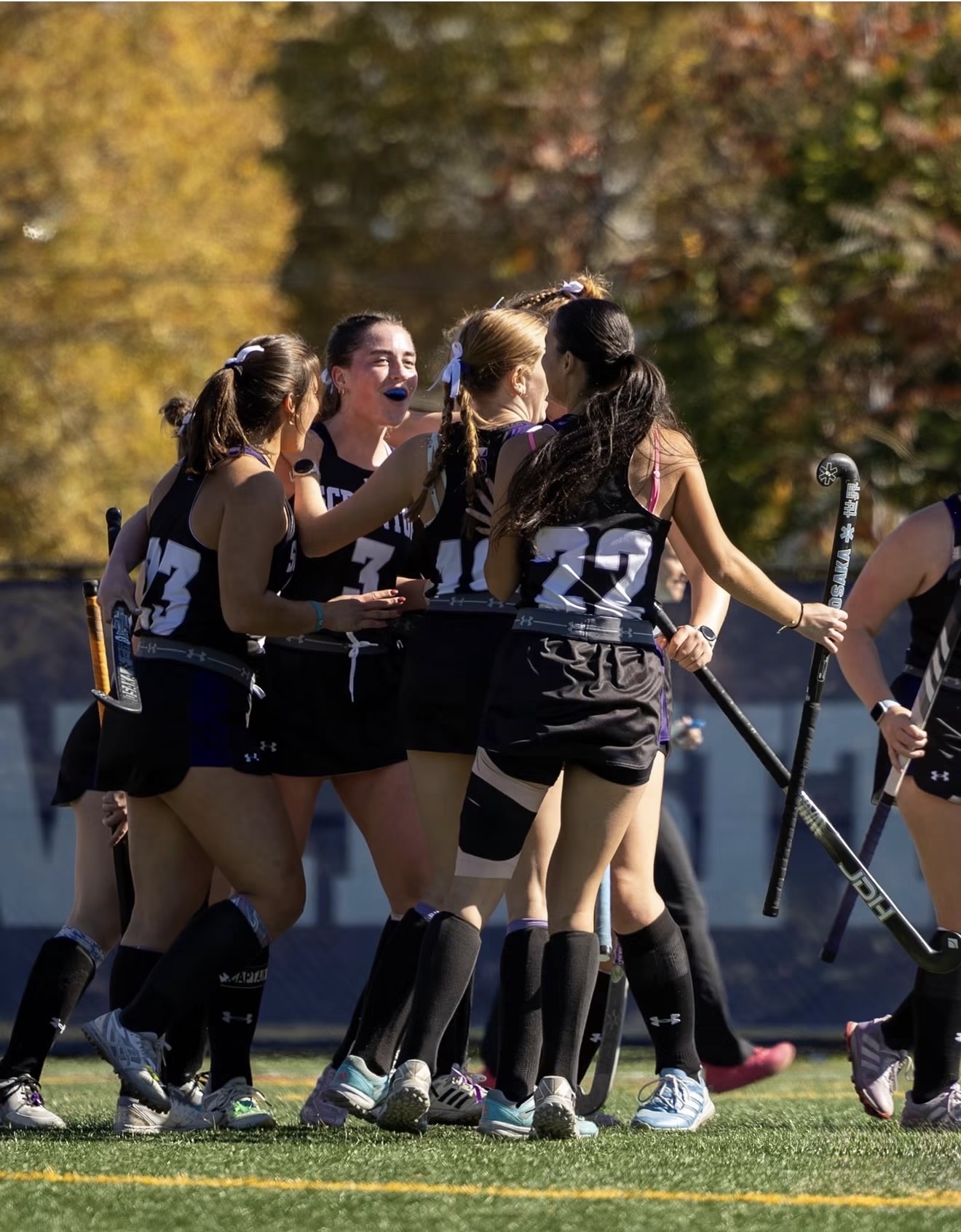
"One of my favorite parts about working with the Mets was how we all celebrated each other's wins and supported one another. It kind of reminded me of my field hockey team here." For her, that was the biggest relief of the summer. "It gave me a boost of confidence that I will be able to find my next team when I graduate," she said. "Teamwork doesn't end with sports."
This is the part of life after college sports that worries a lot of athletes. For most, the team is the best part of the experience, and the NCAA's own estimates show that only a select few in each sport go on to compete professionally. Almost everyone reading this will leave their team at some point. Kelly's summer is a good reminder that the things you love about your team, like shared goals, celebrating each other, and picking each other up after a loss, exist at work too. You just have to look for them.
That is why we built Prospect HQ around more than skills. Two companies can hire for the same role and feel completely different to work for. Looking at skills, attributes, and culture together helps you find an employer with real cultural alignment, a place where you'll feel the way Kelly did at Citi Field. Our breakdown of the career readiness skills student-athletes already have is a good place to start naming what you bring.
How can you get a sports internship this year?
"Take chances, ask questions, and never be afraid to make any connection, because you'll never know who you'll meet along the way." Each of her moves translates directly to your own search.
Start where Kelly did, with outreach. She messaged as many people in sports as she could. For you, that might mean two or three LinkedIn messages a week to people at teams, leagues, or venues, starting with alumni and former athletes. Treat every conversation as a relationship. Follow up after each one, and keep in touch after your internship ends so your name stays familiar when the next role opens.
Say yes to what makes you nervous. The calls, tours, and meetings that feel uncomfortable are usually the ones that build your confidence fastest.
Finally, look for a team at work. When you research a company or sit in an interview, pay attention to how its people treat each other, not only what the job description says.
Timing matters too, especially around your season. Our guide to student-athlete internships covers when to apply and how to fit a role around practice and travel. And the summer can lead to more than a line on your résumé. Employers converted 63.1% of their 2024-25 interns into full-time hires, the highest rate in five years, according to NACE's 2026 Internship & Co-op Report. If you're already a senior, our senior-year job search timeline shows how to turn that experience into an offer.
Find your next team with Prospect HQ
Kelly found her internship by putting herself out there, one LinkedIn message at a time. You can do the same, and you don't have to do it alone. Prospect HQ connects student-athletes with employers who already value what you bring from your sport, based on your skills, your attributes, and the kind of culture where you do your best work.
Download the Prospect HQ app and finish your Personal Insights profile. It takes about ten minutes from your phone, and it's the first step toward finding a team like the one Kelly found at Citi Field.
Want to help other athletes figure out what's next, the way Kelly does? Apply to become a Prospect HQ Student Ambassador.
FAQs
How do I get an internship with a professional sports team?
Start by building relationships with people who already work in sports. Kelly Mack landed her New York Mets inside sales internship by reaching out on LinkedIn to as many people in the sports industry as she could. Pair that outreach with applications on team career pages, and make sure your résumé and LinkedIn profile describe your athletic experience in concrete terms.
What does an inside sales intern do for a sports team?
Inside sales interns usually support ticketing and hospitality. That can mean calling prospective and current clients, following up on leads, and hosting tours of the venue. Kelly spent her summer on the phone with clients and leading tours of Citi Field.
How should a student-athlete message someone on LinkedIn about an internship?
Keep it short and specific. Introduce yourself, mention your school and sport, say what you admire about the person's work, and ask one question about their path. Leave the job request out of the first message and let the conversation build from there.
Are sales internships a good way to start a career in sports?
For many people, yes. Sales teams in pro sports hire more entry-level staff than most departments, and the work builds skills that carry into any industry, like handling rejection, building relationships, and staying organized under a quota.
Do internships lead to full-time jobs?
Often. Employers converted 63.1% of their 2024-25 interns into full-time hires, according to NACE's 2026 Internship & Co-op Report. Even when an internship doesn't turn into an offer, the people you meet can refer you to your next role.